

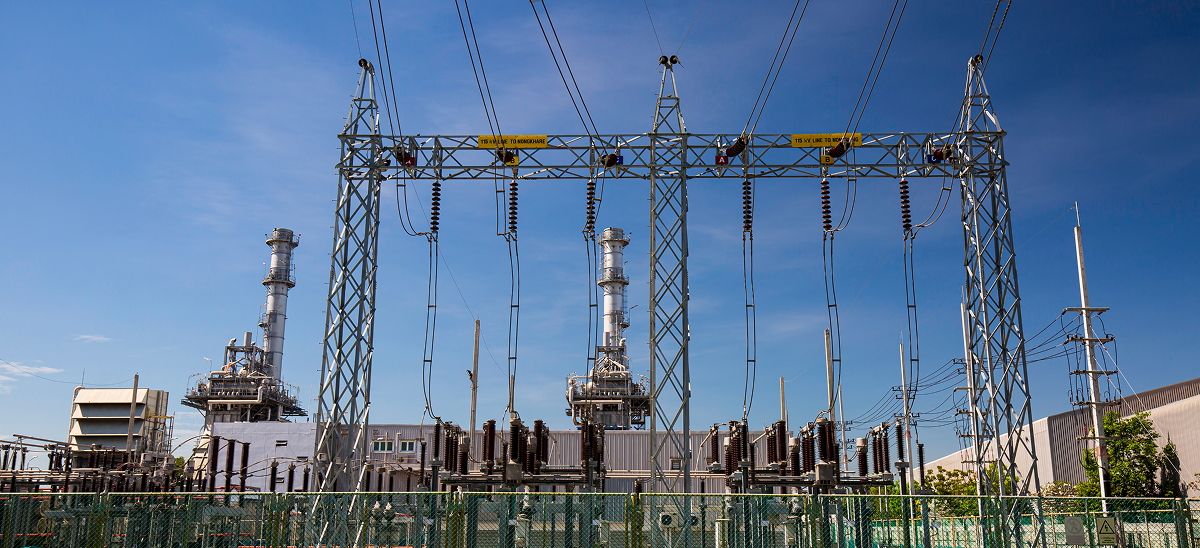
In today’s rapidly evolving industrial landscape, reliable energy distribution infrastructure plays a critical role in supporting economic growth, manufacturing productivity, and large-scale industrial development. Modern oil refinery operations depend on efficient energy systems that can deliver uninterrupted power, fuel, and thermal resources across complex industrial environments. As industries continue to expand, energy distribution networks are being designed with greater capacity, advanced technology, and enhanced safety standards to meet growing operational demands. Strong infrastructure not only ensures continuous production but also improves efficiency, sustainability, and long-term industrial resilience.
Energy distribution infrastructure forms the backbone of refinery and industrial operations by connecting production facilities, storage terminals, pipelines, and end-use industries. A well-planned distribution network enables the smooth transportation of refined petroleum products, natural gas, and industrial fuels to factories, transportation sectors, and commercial facilities. Strategic infrastructure planning helps industries minimize downtime, reduce transportation delays, and maintain stable energy availability even during periods of high demand. Efficient distribution systems also support regional industrial growth by attracting investments and enabling the development of large manufacturing hubs.
Modern refineries rely heavily on advanced pipeline networks and storage systems to ensure safe and efficient energy distribution.
1. Digital Technologies Enhancing Infrastructure Efficiency
Digital transformation is reshaping the way energy distribution infrastructure operates within the oil refinery industry.
2. Supporting Sustainable Industrial Development
Sustainability has become a major focus in the development of energy distribution infrastructure. Modern industrial facilities are increasingly adopting environmentally responsible practices to reduce emissions and improve energy conservation.
3. AI and Environmental Sustainability
Following strict safety protocols and compliance systems helps businesses maintain secure operational environments and reduce infrastructure risks.
4. Digital Transformation and Smart Automation
The future refinery is becoming more connected and automated through digital transformation. AI integrated with the Industrial Internet of Things (IIoT), cloud computing, and automation systems enables real-time communication between equipment and control centers.
5. Invest in Scalable Energy Infrastructure
Scalable infrastructure systems help industries support growing operational demands while maintaining long-term performance and reliability.
6. Use Predictive Maintenance Technologies
Predictive monitoring systems allow industries to detect potential operational issues before failures occur, reducing downtime and maintenance costs.
7. Support Sustainable Industrial Energy Operations
Integrating energy-efficient systems and smart infrastructure technologies helps industries maintain environmentally responsible operational performance.


Really insightful article on how AI is transforming refinery operations. The focus on predictive maintenance and efficiency improvements was especially interesting.
Great read! AI-driven technologies are clearly shaping the future of oil refineries by improving safety, reducing downtime, and optimizing production processes.
Excellent overview of modern refinery innovation. I liked how the blog explained the role of AI in smarter monitoring and operational decision-making.