

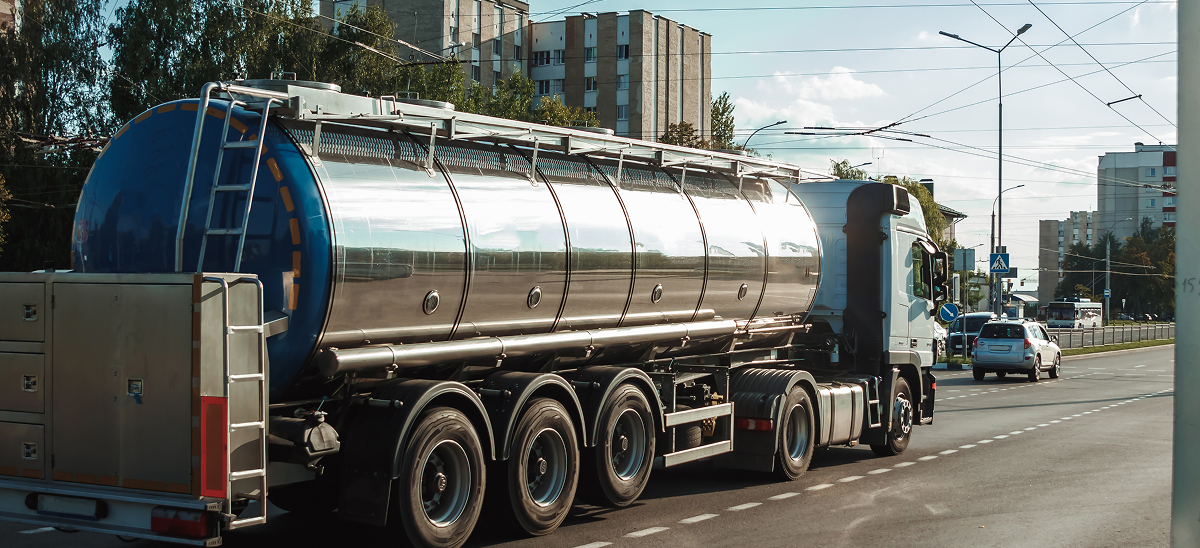
Fuel transportation plays a critical role in supporting industries, businesses, and daily life across the world. From powering vehicles and machinery to supplying energy for manufacturing plants and residential heating systems, fuel must be delivered safely and efficiently to ensure uninterrupted operations. Oil refineries and fuel distribution companies rely on advanced transportation networks to move petroleum products from production facilities to storage terminals, fuel stations, and industrial clients. A dependable transportation system helps maintain economic stability and supports growing energy demands.
Transporting fuel involves handling highly flammable and hazardous materials, which makes safety a top priority for oil and gas companies. Strict safety regulations, regular vehicle inspections, and trained personnel help reduce the risks associated with fuel transportation. Tanker trucks, pipelines, rail systems, and marine vessels are designed with advanced safety features to prevent leaks, spills, and accidents during transit. By following proper safety protocols, companies can protect workers, surrounding communities, and the environment from potential hazards.
Efficient fuel transportation ensures that fuel reaches its destination on time without delays or shortages. Modern logistics systems use route optimization, GPS tracking, and real-time monitoring to improve delivery schedules and reduce transportation costs.
1. Advanced Technology Enhances Transportation Operations
Technological advancements have significantly improved the safety and efficiency of fuel transportation systems. Smart sensors, automated monitoring tools, and digital fleet management solutions allow companies to track fuel movement and vehicle performance in real time.
2. Environmental Responsibility in Fuel Distribution
Modern fuel transportation companies are increasingly focused on reducing environmental impact through sustainable practices and cleaner technologies. Proper handling procedures, leak detection systems, and eco-friendly transportation methods help minimize pollution risks during fuel distribution.
3. Skilled Professionals Ensure Operational Excellence
Behind every successful fuel transportation operation is a team of highly trained professionals responsible for maintaining safety and efficiency standards. Drivers, logistics coordinators, engineers, and refinery operators work together to manage complex transportation processes and respond quickly to operational challenges.
4. Safety and Reliability in Industrial Energy Systems
Safety remains a top priority in every refinery and energy infrastructure project. Industrial facilities require strict safety protocols, advanced monitoring equipment, and regular maintenance to ensure smooth operations and protect workers.
5. Driving Economic Growth Through Energy Investment
Investment in scalable energy infrastructure creates significant economic opportunities. Large-scale refinery projects generate employment, encourage industrial expansion, and support the growth of related sectors such as construction, logistics, and manufacturing.
6. Use Predictive Maintenance Technologies
Predictive monitoring systems allow industries to detect potential operational issues before failures occur, reducing downtime and maintenance costs.
7. Support Sustainable Industrial Energy Operations
Integrating energy-efficient systems and smart infrastructure technologies helps industries maintain environmentally responsible operational performance.


Excellent insights on how scalable energy infrastructure supports long-term industrial growth. The focus on refinery efficiency and sustainability was especially informative.
Really well-written article highlighting the importance of modern oil refinery operations in meeting growing industrial demands. Great read!
A concise and engaging blog that explains the connection between energy infrastructure and economic development perfectly. Very impressive content.