

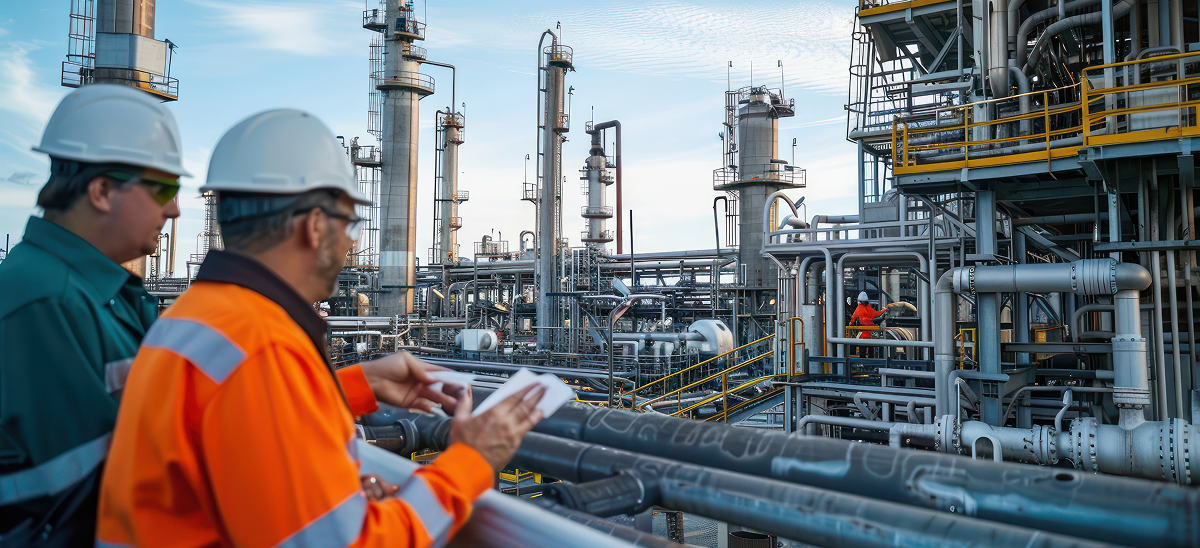
In today’s rapidly evolving energy sector, oil refineries face increasing pressure to improve efficiency, reduce operational costs, and meet strict environmental standards. Refinery operators must balance production demands with safety, sustainability, and profitability. Aging infrastructure, fluctuating crude oil prices, and rising energy consumption have made performance optimization a top priority for refinery companies worldwide. Smart engineering solutions now play a critical role in helping refineries achieve consistent operational excellence while minimizing waste and downtime.
Smart engineering combines advanced technologies, automation systems, and data-driven strategies to enhance refinery performance. Modern refineries use intelligent monitoring systems, sensors, and real-time analytics to track equipment conditions and process efficiency. These technologies allow engineers to identify performance bottlenecks, detect potential failures early, and optimize production processes with greater accuracy. By integrating digital tools into refinery operations, companies can improve productivity while maintaining higher safety standards across all departments.
Reliable energy infrastructure is not just about transportation — it’s about maintaining safety, operational efficiency, and long-term industrial performance across global operations.
1. Advanced Automation for Greater Efficiency
Automation has become one of the most valuable components of refinery optimization. Automated control systems help regulate temperature, pressure, and flow rates throughout the refining process, reducing the possibility of human error.
2. Improve Operational Efficiency Through Automation
Advanced automation technologies and intelligent operational systems improve refinery accuracy, reduce downtime, and optimize industrial energy performance.
3. Maintain Industry-Certified Safety Standards
Following strict safety protocols and compliance systems helps businesses maintain secure operational environments and reduce infrastructure risks.
4. Optimize Pipeline Transportation Systems
Modern pipeline technologies improve transportation reliability, maintain uninterrupted energy flow, and support large-scale industrial operations worldwide.
5. Invest in Scalable Energy Infrastructure
Scalable infrastructure systems help industries support growing operational demands while maintaining long-term performance and reliability.
6. Use Predictive Maintenance Technologies
Predictive monitoring systems allow industries to detect potential operational issues before failures occur, reducing downtime and maintenance costs.
7. Support Sustainable Industrial Energy Operations
Integrating energy-efficient systems and smart infrastructure technologies helps industries maintain environmentally responsible operational performance.


Very informative article on pipeline infrastructure and energy transportation. The focus on reliability and safety was explained really well.
Excellent insights into modern pipeline optimization strategies. I enjoyed reading about how technology improves efficiency in the oil refinery sector.
Great blog post with clear points about maintaining reliable energy transport systems. The importance of infrastructure upgrades was especially interesting.