

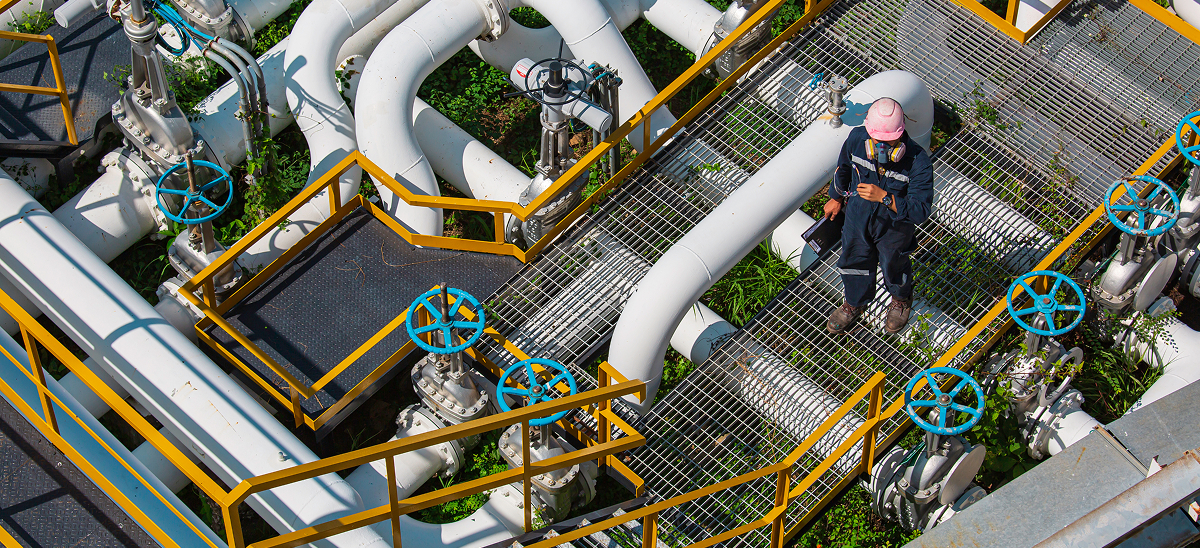
Modern oil refinery operations rely heavily on safe and efficient pipeline infrastructure to transport crude oil, refined products, and industrial fluids across long distances. As pipeline networks continue to expand, the need for advanced monitoring technologies has become increasingly important. Traditional inspection methods are often time-consuming and may fail to detect early-stage issues, leading to operational disruptions and costly repairs. Smart monitoring technologies provide refinery operators with real-time insights, helping them maintain safety, reliability, and environmental compliance throughout the entire pipeline system.
One of the most valuable innovations in pipeline management is the use of real-time sensor technology. Smart sensors are installed along pipelines to continuously monitor pressure, temperature, flow rate, and vibration levels. These devices instantly detect abnormal conditions such as leaks, corrosion, or pressure drops before they become serious problems. By collecting accurate operational data around the clock, refinery companies can improve system performance, reduce downtime, and respond quickly to potential emergencies. Continuous monitoring also supports predictive maintenance strategies that minimize unexpected equipment failures.
Reliable energy infrastructure is not just about transportation — it’s about maintaining safety, operational efficiency, and long-term industrial performance across global operations.
1. Implement Smart Infrastructure Monitoring
Real-time monitoring systems help industries track operational performance, identify risks early, and maintain efficient pipeline and infrastructure operations.
2. Improve Operational Efficiency Through Automation
Advanced automation technologies and intelligent operational systems improve refinery accuracy, reduce downtime, and optimize industrial energy performance.
3. Maintain Industry-Certified Safety Standards
Following strict safety protocols and compliance systems helps businesses maintain secure operational environments and reduce infrastructure risks.
4. Optimize Pipeline Transportation Systems
Modern pipeline technologies improve transportation reliability, maintain uninterrupted energy flow, and support large-scale industrial operations worldwide.
5. Invest in Scalable Energy Infrastructure
Scalable infrastructure systems help industries support growing operational demands while maintaining long-term performance and reliability.
6. Use Predictive Maintenance Technologies
Predictive monitoring systems allow industries to detect potential operational issues before failures occur, reducing downtime and maintenance costs.
7. Support Sustainable Industrial Energy Operations
Integrating energy-efficient systems and smart infrastructure technologies helps industries maintain environmentally responsible operational performance.


Really insightful article on smart pipeline monitoring. Reliable transportation systems are essential for modern energy operations.
Great read! The use of advanced monitoring technology in oil refineries is clearly improving safety and efficiency.
Very informative blog. Smart pipeline solutions are a big step toward safer and more reliable energy transportation.